



Lethal Points in Riftbound: When Points Actually Win the Game
Lethal points in Riftbound: spotting the moment points actually win the game. The two roads to victory and their thresholds, explained with examples.
by Er11deSettembreAdvanced · 6 min322 readsGuide 14 of 17 on the path

In Riftbound, the winner is not the player who piles the most cards onto the table, but the one who reaches the scoring conditions first and at the right moment. Understanding lethal points (the points that actually end the game) is what separates an intermediate player from an advanced one. This guide assumes you already know the basics: if you are starting from scratch, read how to play Riftbound first.
The two roads to victory
Riftbound offers two distinct paths to victory, each with a different point threshold. Knowing them by heart is the prerequisite for recognising the lethal zone.
- Conquer strategy: reach 6 points, then win by conquering both battlefields in the same turn.
- Hold strategy: reach 7 points, then win by holding a battlefield through the opponent's turn. The point comes at the start of your turn, when holds are scored.
In every case the game ends automatically at 8 points. For a full breakdown of these rules, see the victory conditions of Riftbound.
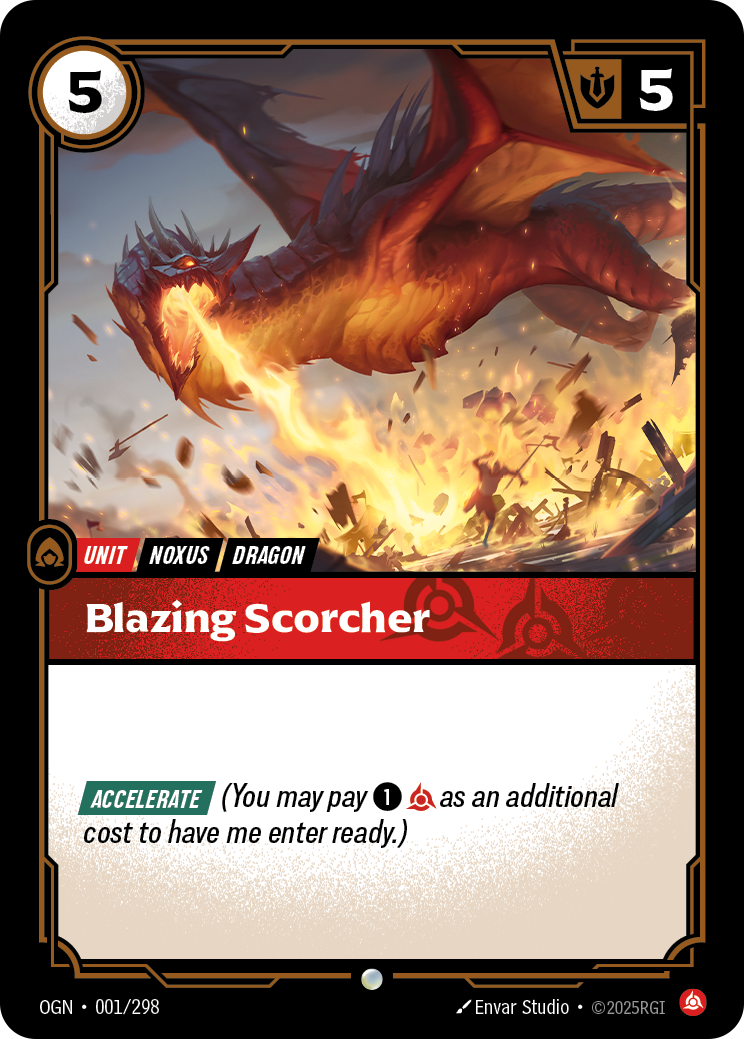
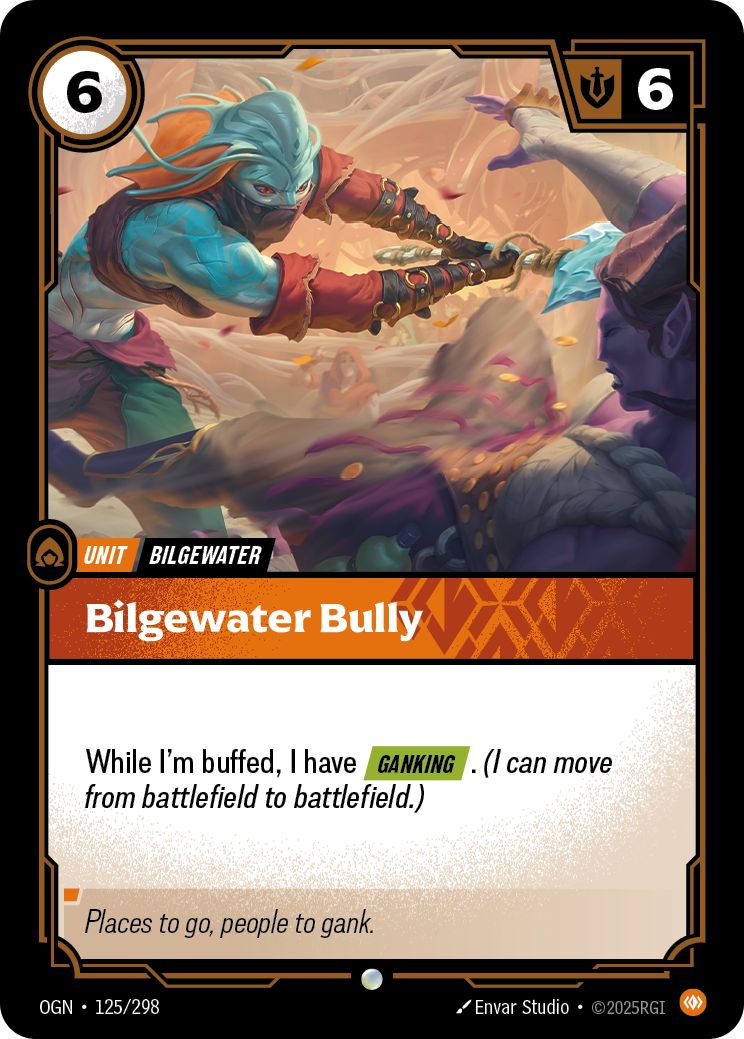
Scoring a point is not always good
Points come from controlling battlefields, but every point has a cost. You spend units, spells and runes to assert that control, and those resources are then missing elsewhere.
- Not every point genuinely brings you closer to winning: some only expose you.
- Units are sacrificeable assets, not a permanent advantage: they exist to be spent on closing, not hoarded.
- The final point, the one that wins the game, carries a special requirement. If you take it with a Conquer, it only counts if you scored every battlefield that turn: otherwise you draw a card and stay one point from victory. A Hold has no such limit.
That is what the official core rules say (Core Rules, October 9, 2026 version), in rules 471-473. In 2v2 you win at 11 points and the rule has an exception for your teammate's battlefields: I explained it in the article on the 2v2 final point.
The lethal range
The lethal range begins around 6 points. This is the threshold where the game changes character.
- At 6 points a Conqueror deck can close in a single turn by conquering both battlefields.
- A Hold deck at that threshold enters critical vulnerability: it is close, but it still has to survive an opposing turn.
- Defensive rule: the moment your opponent reaches 6 points, you must assume they can win next turn and play accordingly.
A framework for deciding whether to attack
Before launching an attack to score, ask yourself three blunt questions:
- Does this point advance my win pattern, or am I scoring it just because I can?
- How much does it cost me in units and resources relative to what I need for the killer turn?
- Is the opponent baiting me, luring me into spending on a useless point?
This reasoning is inseparable from managing tempo versus value in Riftbound: sometimes giving up an immediate point to preserve resources is the winning play.
Score lines and archetype differences
A Conqueror's typical progression is sharp: 2 → 4 → 6 → win. Climbing from 6 to 7 is often wasteful for a conqueror, because it burns the resources needed for the closing turn.
- Hold decks require longer sequences and defensive positions held across several turns: they are harder to execute.
- In June 2026, when I wrote this guide, Conquer dominated the meta, precisely because of its immediacy.
- The combat and showdown phase is where these points are truly won: plan the lethal attack, do not suffer it.
Summary
High-level Riftbound is not a frantic race to 8 points, but the patient build toward the single turn in which the game ends on your terms. Recognise the lethal range, treat units as spendable resources, and score only the points your plan needs. To lock in the fundamentals, continue with how to play Riftbound.
 Sponsor
Test yourself
Question 1With the Conquer strategy, how many points must you reach before you can win by conquering both battlefields in the same turn?
Question 2How many points does the Hold strategy require before you can win?
Question 3At what point threshold does the game end automatically?
Question 4According to the guide, how are units described?
Question 5Around how many points does the lethal range begin?
Question 6What is the defensive rule to follow when the opponent reaches 6 points?
Question 7What is a Conqueror deck's typical progression according to the guide?
Question 8Why is climbing from 6 to 7 points often wasteful for the Conqueror?
Question 9According to the guide, which archetype dominated the meta in June 2026, and why?
Question 10Which of the following is one of the three framework questions for deciding whether to attack to score?