Combat and Showdown in Riftbound: How It Works (Full Guide)
The strategic heart of Riftbound is the clash over battlefields: your points almost always come from claiming positions, and to claim them you have to win a showdown. Understanding how combat resolves lets you work out when to attack, when to defend and when to hold back. If you're missing the basics, first read how to play Riftbound.
In this guide we'll cover what triggers a showdown, the difference between taking an empty field and fighting for an occupied one, and the exact sequence in which the clash resolves.
What Might is and when a showdown starts
Might is the stat that measures a unit's strength in combat. During the action phase you can move your ready units toward a battlefield: this movement starts a showdown.
- Your moving units become attackers.
- Units positioned in defense gain the defender status.
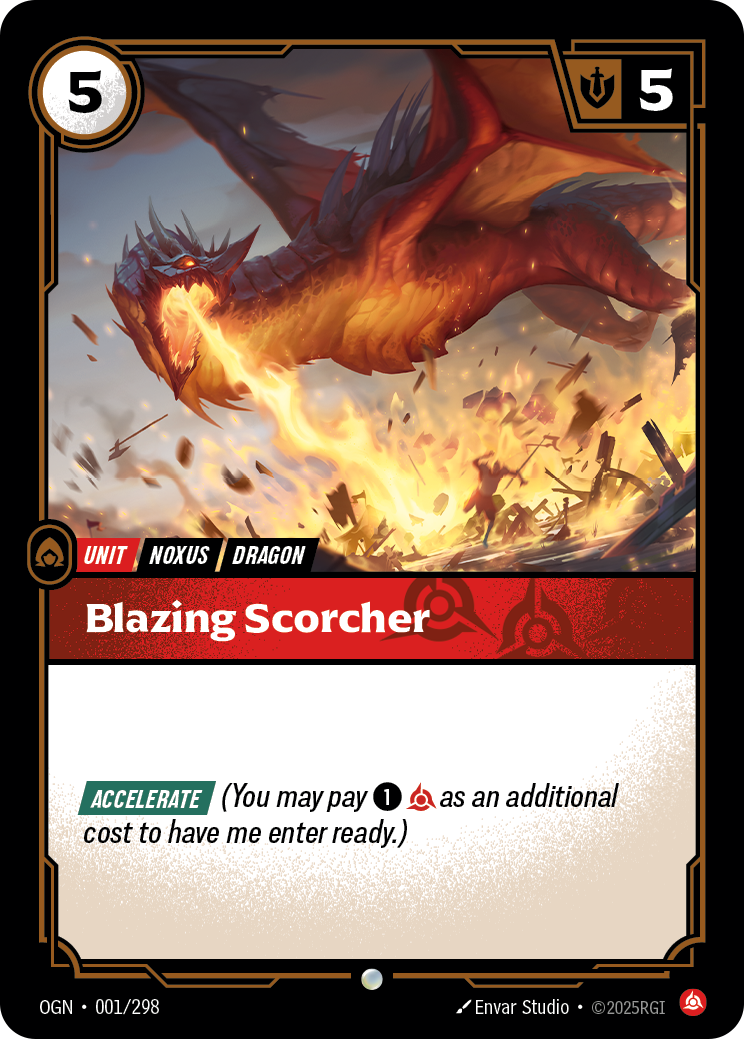
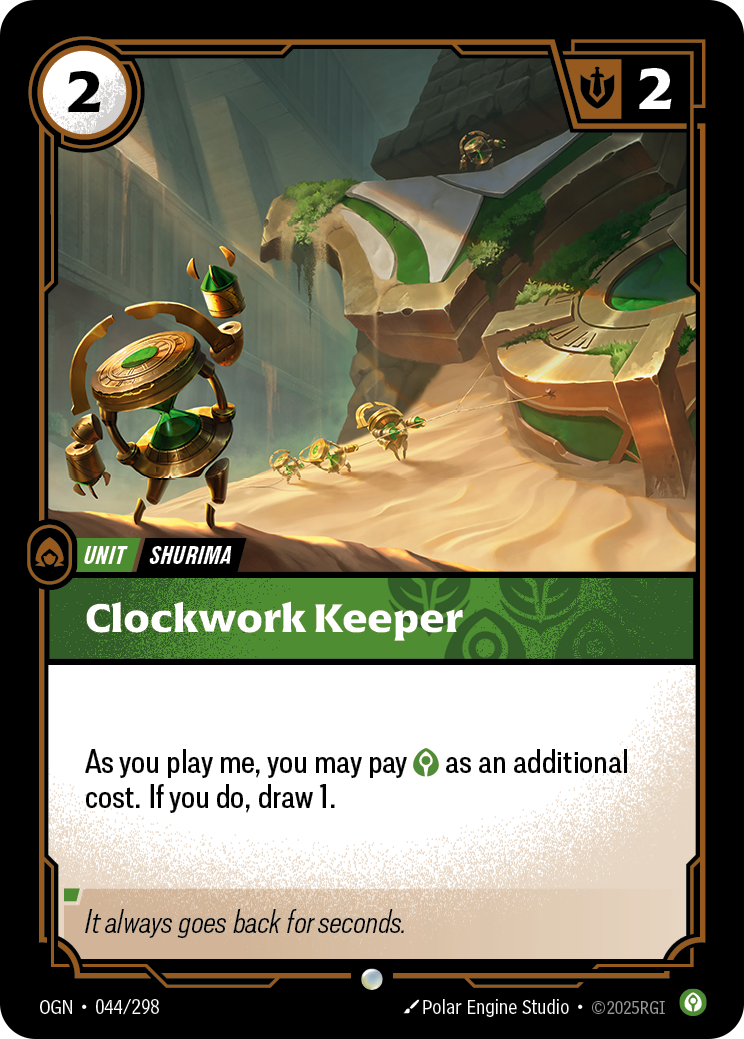
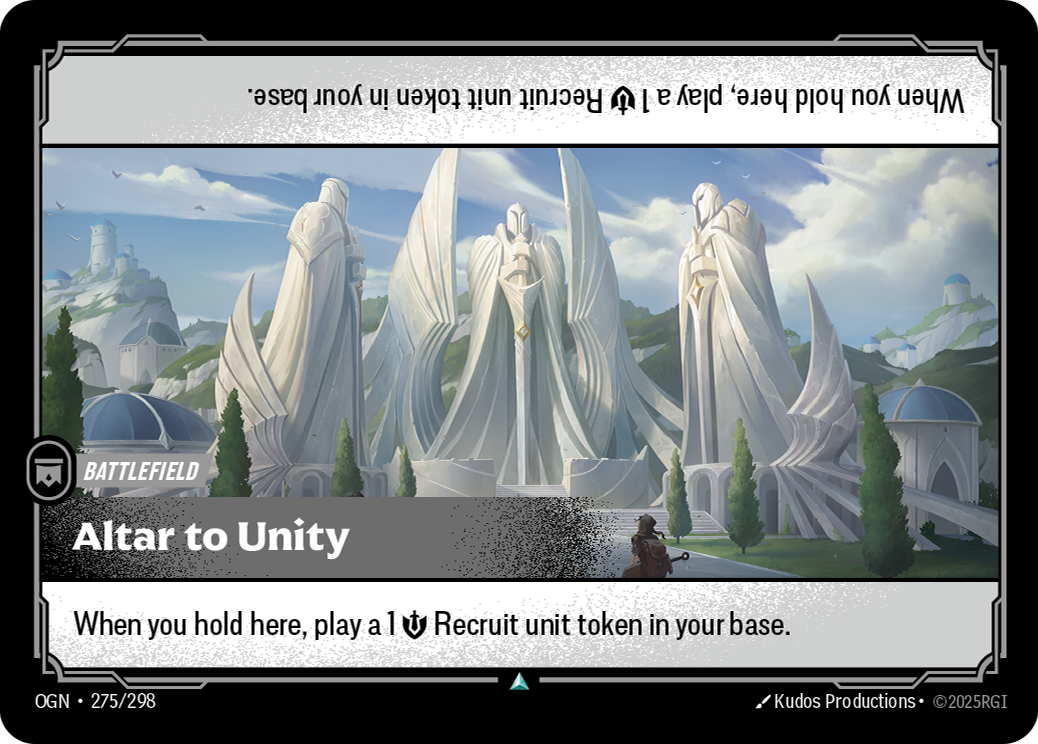
Open Showdown versus Combat Showdown
Not every move leads to an actual fight:
- Open Showdown: you move onto an uncontrolled battlefield. You take control of it immediately, with no Might comparison at all.
- Combat Showdown: you move onto a battlefield controlled by your opponent. This is where the real comparison of power happens.
The resolution sequence
A Combat Showdown resolves in precise, ordered steps:
1. Summing Might
You calculate the combined power of all units on each side: attackers against defenders.
2. Simultaneous damage assignment
Both sides assign damage at the same time: nobody strikes first. You must assign lethal damage to one unit before you can wound another, so you can't spread damage to weaken everyone.
3. Determining the winner
The side with greater combined Might destroys more enemy units. Watch out for ties: if the totals are identical, all units on both sides are destroyed.
4. Healing
After damage is assigned, all units still present in each location return to full health. This healing happens before "when I die" effects (Deathknell) resolve: a detail that changes the math of many interactions.
5. Claim
If the attackers destroy all the defenders, they claim the battlefield and, where applicable, score points. To understand how points lead to victory, see the victory conditions.
Spells before the comparison
A showdown isn't automatic: before the Might comparison both players can play spells. These are used to boost your own units (buffs), add effects, or disrupt your opponent's plan (disruption). These responses chain together into a sequence: dig deeper with the chain and spell speed. To see how all of this fits into the rhythm of the game, check the turn structure.
Summary
Moving ready units toward a battlefield starts a showdown: empty means immediate control, occupied means a Might comparison. You sum the power, assign lethal damage simultaneously, the side with more Might wins (a tie destroys everyone), then healing, then the claim. Pre-comparison spells can flip the outcome. Continue with how to play Riftbound and the victory conditions.
Test yourself
Question 1What does a unit's Might measure?
Question 2Which action starts a showdown?
Question 3What happens in an Open Showdown?
Question 4When does a Combat Showdown occur?
Question 5How is damage assigned in a Combat Showdown?
Question 6Which rule governs assigning damage to units?
Question 7What happens if both sides' Might totals are identical?
Question 8What does the healing step do in a Combat Showdown?
Question 9What is the relationship between healing and "when I die" (Deathknell) effects?
Question 10When can the attackers claim a battlefield and score points?
Comments
Log in to comment.