Riftbound Rune Floating: Generate and Spend Energy in One Turn
Rune floating is one of the techniques that separate the beginner from the experienced Riftbound player. Mastering it lets you pay for two things with a single rune in the same turn and complete sequences that would otherwise fail for lack of resources if played carelessly.
In this intermediate guide we cover what floating is, the two-step mechanic that makes it possible, and a concrete step-by-step example. If the game's resources are not yet familiar, start with the rune, energy, and power system and the basics in how to play Riftbound.
What floating is
Floating means generating energy from a rune now and spending it later, but always within the same turn. The key point: energy does not live on the rune, it lives in your pool. Once energy is in the pool, it is available until the turn ends.
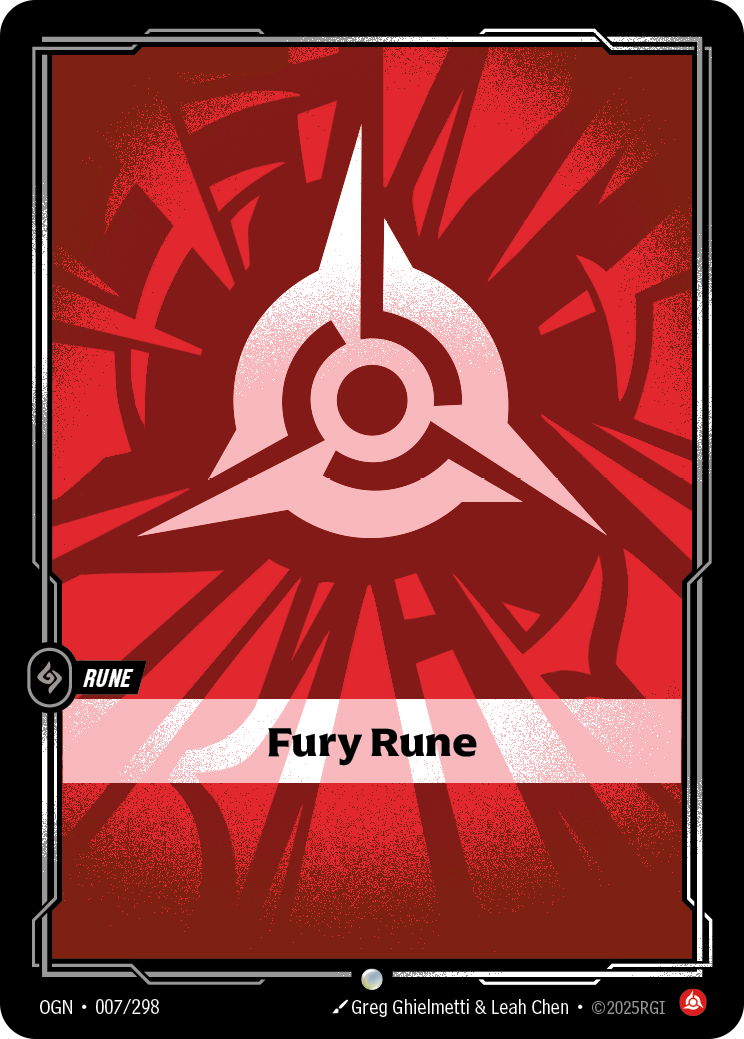
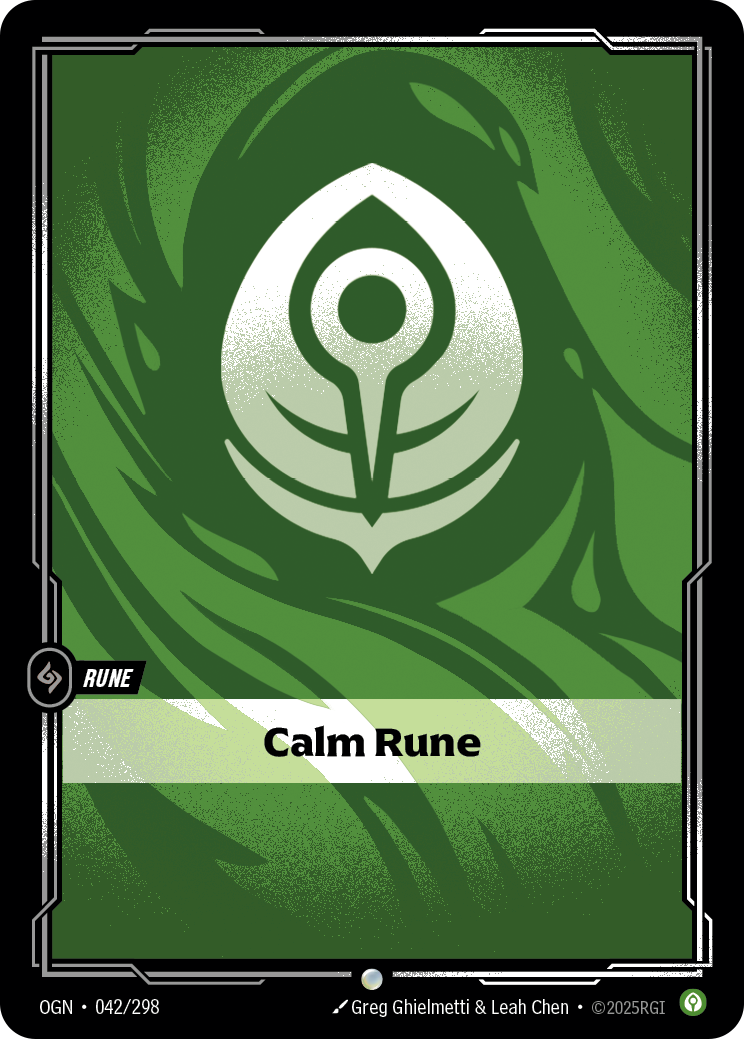
The two-step mechanic
→
→
Runes do not pay costs directly. You always go through the pool, with two distinct actions.
- Exhaust a rune: produces 1 colorless energy that enters the pool.
- Recycle a rune: you consume it for power; the rune stays unavailable until it is re-channeled.
The correct chain is therefore: exhaust → energy in the pool → spend. Skipping the trip through the pool is what makes complex plays fail.
Why it actually matters
Floating lets you capture a rune's energy before that rune is consumed by a power cost. The result is that the same rune ends up paying for two things in the same turn: first it feeds energy into the pool, then it is recycled for power. Without floating you would lose that first unit of energy.
Concrete step-by-step example
Suppose you have 3 Mind runes and 1 Order rune, all ready. You want to play, in the same turn, Seal of Unity (cost: 1 Order power) and Viktor Leader (cost: 4 energy + 1 Order power). Follow the exact order:
- Exhaust the Order rune: 1 energy floats into the pool.
- Recycle the Order rune to pay the Order power for Seal of Unity.
- Exhaust the 3 Mind runes: you now have 4 energy in the pool.
- Play Viktor Leader: 4 energy and 1 Order power are satisfied.
If you skip the initial float or get the order wrong — for example, recycling the Order rune before exhausting its energy — the sequence fails and you are left without the resource you needed.
The rules to remember
- It lasts only this turn: energy in the pool empties at end of turn or at the next draw phase. It is not stored.
- You float the energy, not the rune: once the energy is generated, the rune can be recycled and the energy still stays in the pool.
- Exhaust first, then recycle: this sequence avoids wasting resources and guarantees you keep precious energy.
To slot these moves into the right moments, also review the turn structure.
Summary
- Floating = generate energy now and spend it later in the same turn.
- Exhausting produces energy in the pool; recycling consumes the rune for power.
- Capturing the energy before recycling makes one rune pay for two things.
- Floated energy empties at end of turn: use it right away.
Continue with the rune, energy, and power system to solidify the basics, and keep how to play Riftbound within reach.
Test yourself
Question 1What does floating runes mean?
Question 2Where does the energy generated from a rune live?
Question 3What does exhausting a rune produce?
Question 4What do you get by recycling a rune?
Question 5What is the correct chain to use a rune according to the guide?
Question 6Why is floating actually useful?
Question 7In the example, which runes do you have ready at the start?
Question 8What is the cost of Viktor Leader in the example?
Question 9In the example, what is the correct first step of the sequence?
Question 10What happens to the energy in the pool at end of turn?
Comments
Log in to comment.