Riftbound Side Deck: The 8 Cards That Flip Hard Matchups
In competitive Riftbound the match does not end with game 1: between games you can adapt your list thanks to the side deck. It is a tool beginners often underrate, but in best-of-three matches it is what flips the hardest matchups.
Before diving in, if you are not clear on how a legal deck is built, start with our how to play Riftbound guide and with how to set up a list in match preparation and deck building.
What the side deck is
The side deck holds exactly 8 cards. It is accessible only between games of a match, never during play. Between games you can swap cards between your main deck and your side, always one for one: a card that comes in from the side is a card that leaves the main.
The crucial point: once a game has started, your 40-card Main Deck is locked. All the adaptation happens during the break between games.
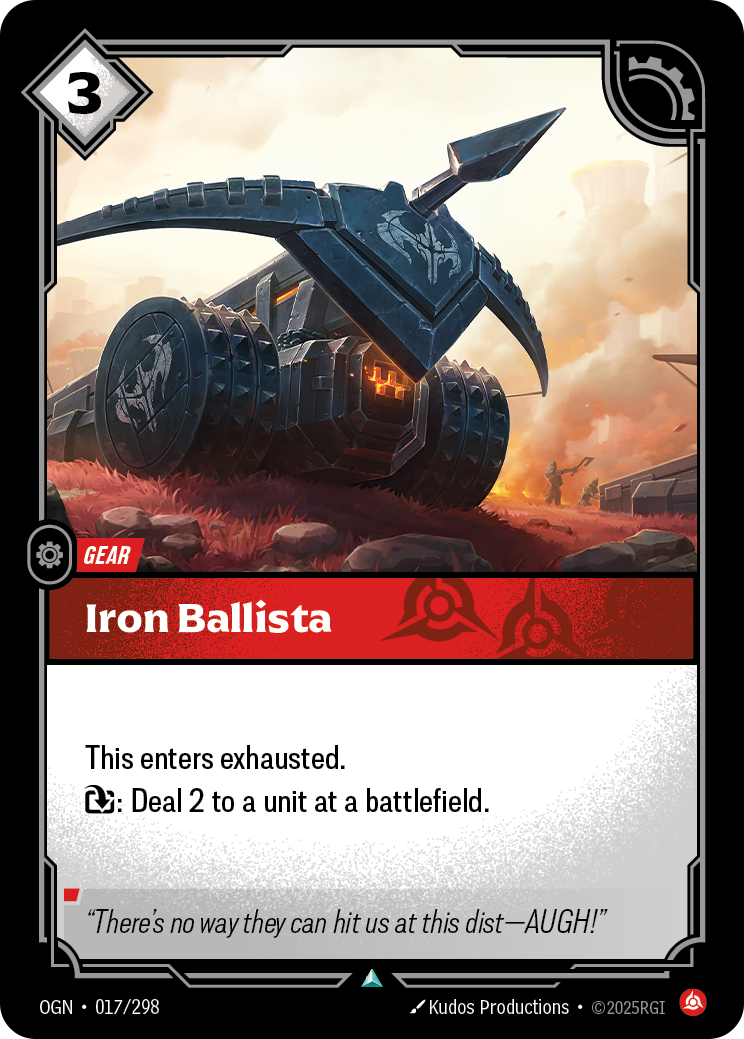
What it is really for
The 8 side cards are tuned for specific matchups, situations where your deck's average mix is not enough. They fall into three categories:
- Hate cards: very narrow answers, effective against precise archetypes and nearly useless elsewhere.
- Tech cards: niche tools, strong in two or three matchups but weak across the rest of the field.
- Counters: cards that completely oppose your opponent's plan, neutralizing their engine.
Think in categories, not single cards
The classic mistake is comparing cards one against another. Think instead in categories: two removal cards compete for the same slot, two counterspells compete for the "counter" slot. Ask yourself whether you are increasing the density of one answer or diversifying your answers.
Then identify what actually matters: which part of the opponent's deck is hard for me? and which of my cards underperform in this matchup? The answers guide the swap.
The three questions before sideboarding
1. What comes in?
Typically 1 to 4 of the 8 cards, rarely all eight. Add only what concretely changes the matchup.
2. What goes out?
An equal number of cards from the main. Usually situational answers, slow plans, and duplicates that carry little weight in that matchup.
3. Does the new 40 still have a plan?
This is the most important question. A side that breaks the curve, removes your win-conditions, or strips out the deck's engines is worse than not sideboarding at all. After the swap your deck must stay coherent.
That coherence comes from your deck identity: if you distort the list to cover one matchup, you lose all the others.
Common mistakes
- Over-preparation: with only 8 slots, prepare for 3-4 archetypes, not eight. Spreading defenses across too many fronts means covering none of them well.
- Cutting the win-condition: removing the cards you actually close games with to make room for tech is the fastest way to never win.
- Ignoring game 3: your opponent sideboards too, and in game 3 they are sideboarding against your side. Anticipate their second move.
Remember that part of your preparation also runs through battlefield selection, which can change which side cards make sense in a given match.
Summary
The side deck is your adaptation kit: 8 cards, accessible only between games, swapped one for one with the main. Think in categories (hate, tech, counter), answer the three questions (what comes in, what goes out, does the plan still hold), and avoid over-preparation, cutting your win-con, and game-3 blindness. A smart side does not rewrite your deck: it sharpens it for the right moment.
Continue with match preparation and deck building to set up main and side together, and revisit the fundamentals in how to play Riftbound.
Test yourself
Question 1Exactly how many cards does the side deck hold?
Question 2When is the side deck accessible during a match?
Question 3How are cards swapped between the main deck and the side?
Question 4What happens to the 40-card Main Deck once a game has started?
Question 5Which category describes very narrow answers, effective against precise archetypes and nearly useless elsewhere?
Question 6According to the guide, what do cards classified as Counters do?
Question 7How many cards do you typically bring in from the side in a given matchup?
Question 8How many cards must leave the main when you bring some in from the side?
Question 9According to the guide, what is the most important question before sideboarding?
Question 10What does the common mistake called over-preparation mean?
Comments
Log in to comment.