The Chain in Riftbound: LIFO Stack, Priority and Resolution
The Chain is the heart of interaction in Riftbound: it is the mechanism that decides the order in which card and ability effects actually resolve when both players respond to each other. Mastering it means you stop merely reacting to your opponent and start dictating your own timing.
In this guide we look at how the chain is built, in what order it resolves, and which cards you can add to it at any given moment. If you are just starting out, begin with the fundamentals in the how to play Riftbound guide.
What the Chain Is: a LIFO Stack
The chain is a stack that follows the LIFO rule (last-in, first-out). Effects do not resolve in the order they are played, but in reverse order: the last effect added is the first one to resolve.
This is the single most important idea to internalize. If you play a card and your opponent responds, their response resolves before your original card, because it entered the stack last.
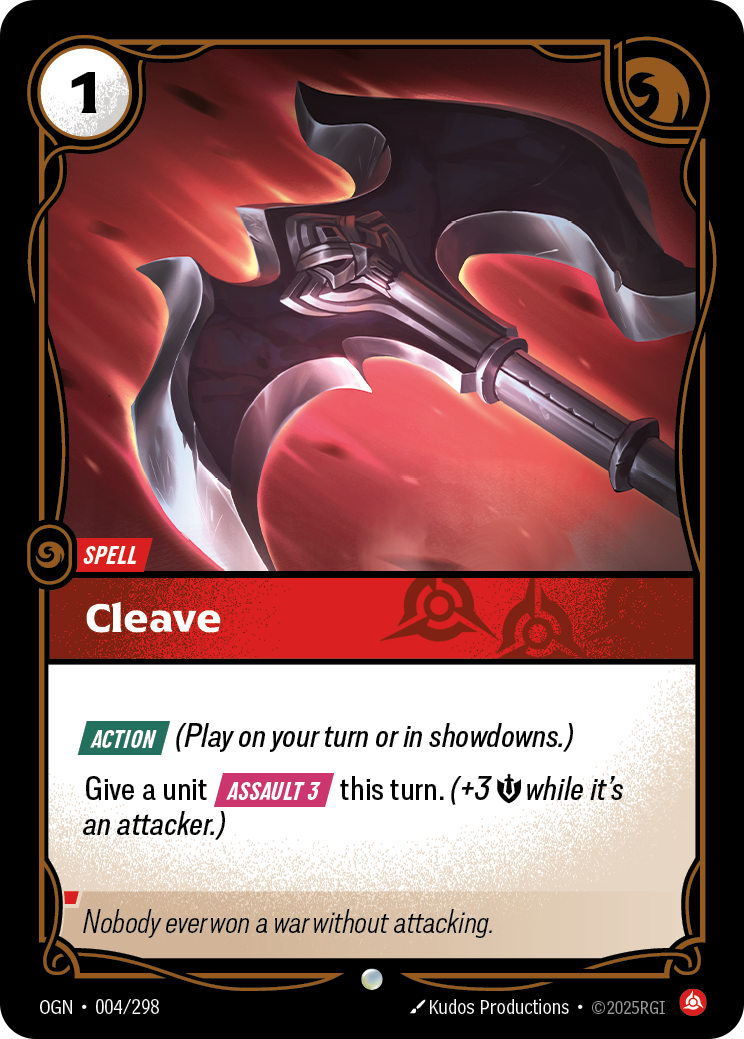
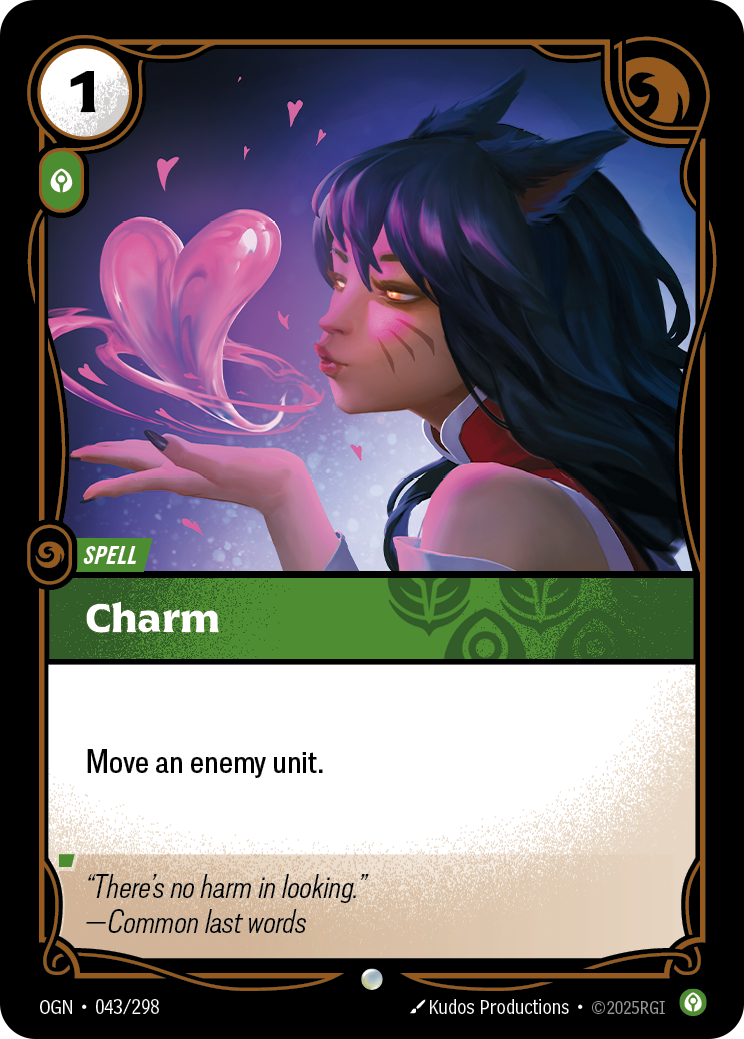
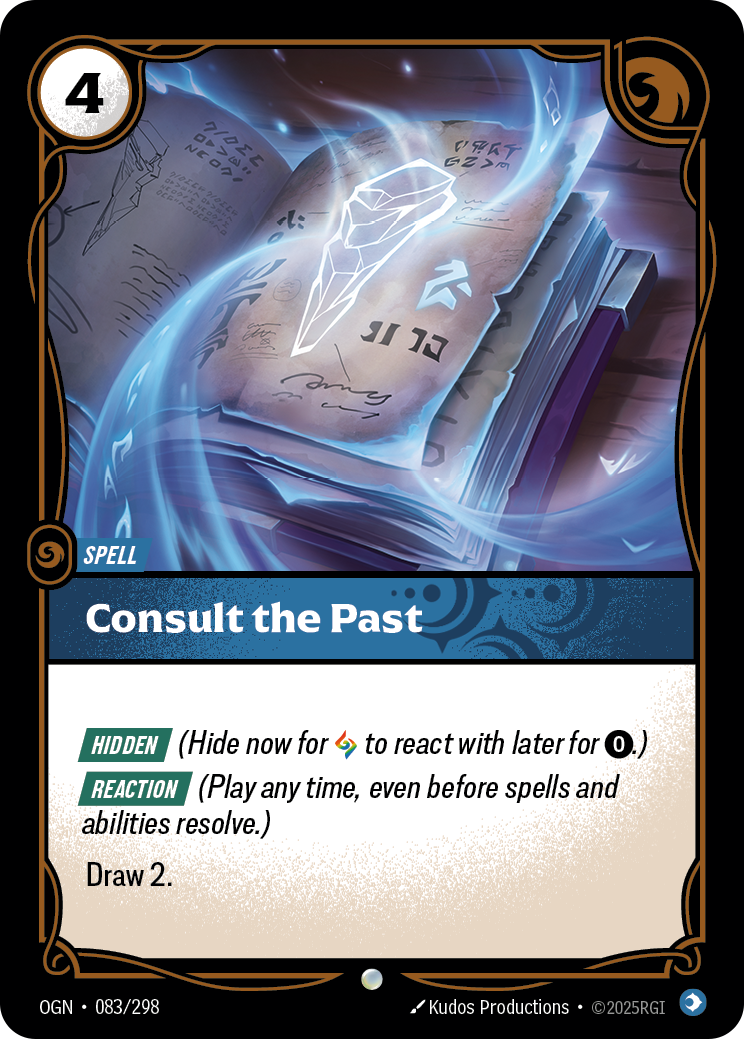
Open State and Closed State
Open State
- No chain is active: the stack is empty.
- The player holding the Priority can act freely: play a spell, activate an ability, move units, or pass.
- This is when "slow" actions that require a clear board get played.
Closed State
- A chain is already active: at least one effect is waiting to resolve.
- Only Reactions can be added.
- Every new response goes on top of the stack, and players alternate.
How the Chain Is Built
1. Initiation
The player with Priority plays a spell or activates an ability: the chain starts and the game moves into the closed state.
2. Stacking
Players alternate adding Reactions on top of the stack. Each response layers over the previous one.
3. Passing
When no one wants to add anything else, both players pass consecutively. Only then does the stack begin to resolve.
How the Chain Resolves
- The topmost effect on the stack resolves completely first.
- After each resolution, Priority returns to the players: you can respond again.
- This continues, one effect at a time, until the chain is completely empty.
Restrictions to Remember
- Actions can only be played in the open state.
- Reactions can be played whenever you hold Priority.
- There is only one chain at a time.
- No re-entry: once the chain has emptied and both players have passed, that interaction window is closed.
The Chain During Showdowns
In showdowns, two concepts govern interaction: the Focus controls who can start a new chain, while the Priority controls responses inside a chain that is already active. Keeping them separate avoids many mistakes. Dig deeper with the combat and showdown guide.
Which cards you can add and when depends on their speed: read the dedicated guide on spell speed.
A Tip for Beginners
In your first games you can safely ignore the chain and focus on your turn and resource management. Advanced interaction will come naturally once you are comfortable with the core flow of the game.
Summary
- The chain is a LIFO stack: the last effect added resolves first.
- Open state = no chain, freedom to act; closed state = Reactions only, on top.
- Resolution begins when both players pass, one effect at a time.
- In a showdown, Focus initiates, Priority responds.
Continue with the guide on spell speed in Riftbound to learn exactly when each card can enter the chain.
Test yourself
Question 1Which rule does the chain follow in Riftbound?
Question 2If you play a card and your opponent responds, what happens?
Question 3What characterizes the Open State?
Question 4In the Closed State, which cards can be added?
Question 5When does the chain stack begin to resolve?
Question 6Which effect on the stack resolves completely first?
Question 7When can Actions be played?
Question 8How many chains can be active at the same time?
Question 9What does the 'no re-entry' rule mean?
Question 10During a showdown, what do Focus and Priority respectively control?
Comments
Log in to comment.