
How to Play Riftbound: The Complete Beginner's Guide
Riftbound is the collectible card game set in the League of Legends universe. Two players fight for control of the battlefields: the first to reach 8 points wins. It is a game of tempo and position more than raw power, and once you grasp the basic rhythm it becomes surprisingly deep.
This is the introductory guide: it explains how a game works in a few minutes and points you, step by step, to the dedicated guides for every rule and strategic concept. Keep it as your starting point and come back whenever you want to dig deeper.
What you need to play
Each player brings five elements to the table:
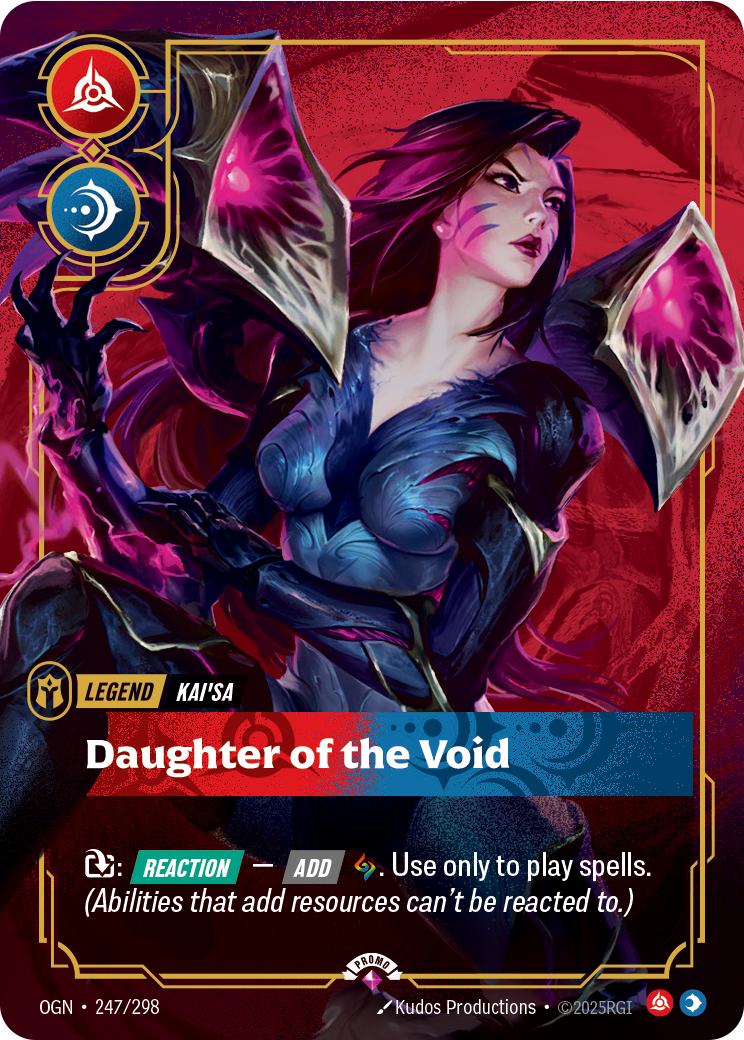
- a Legend, the only card kept face-up the whole game: it defines your deck's color and identity;
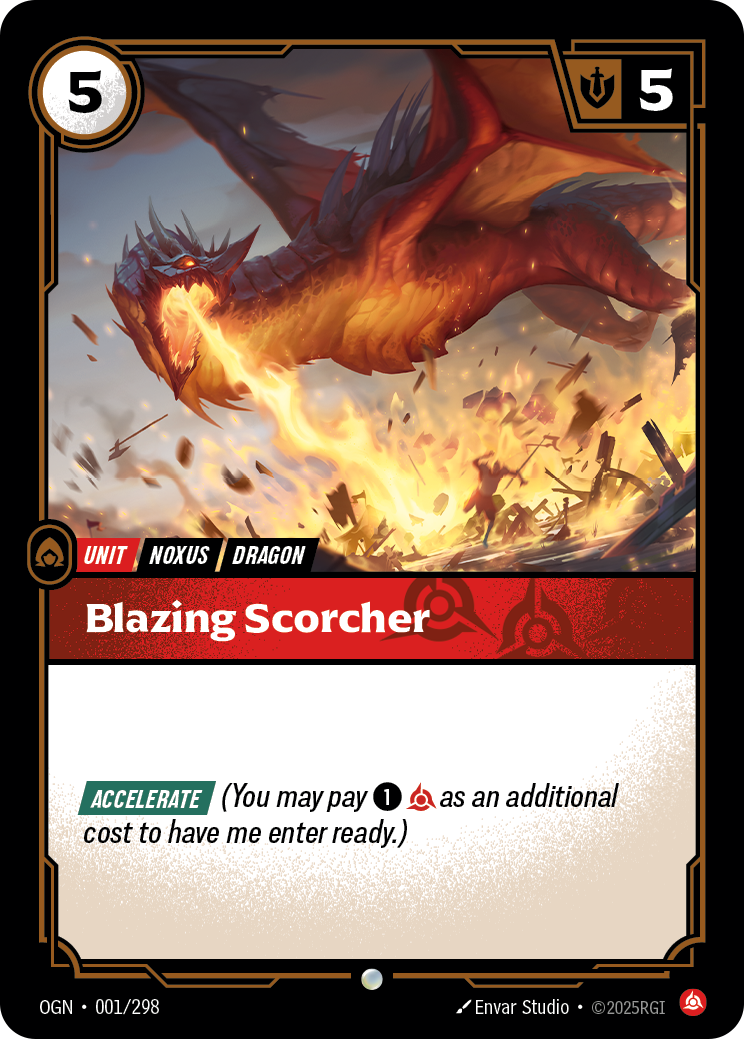
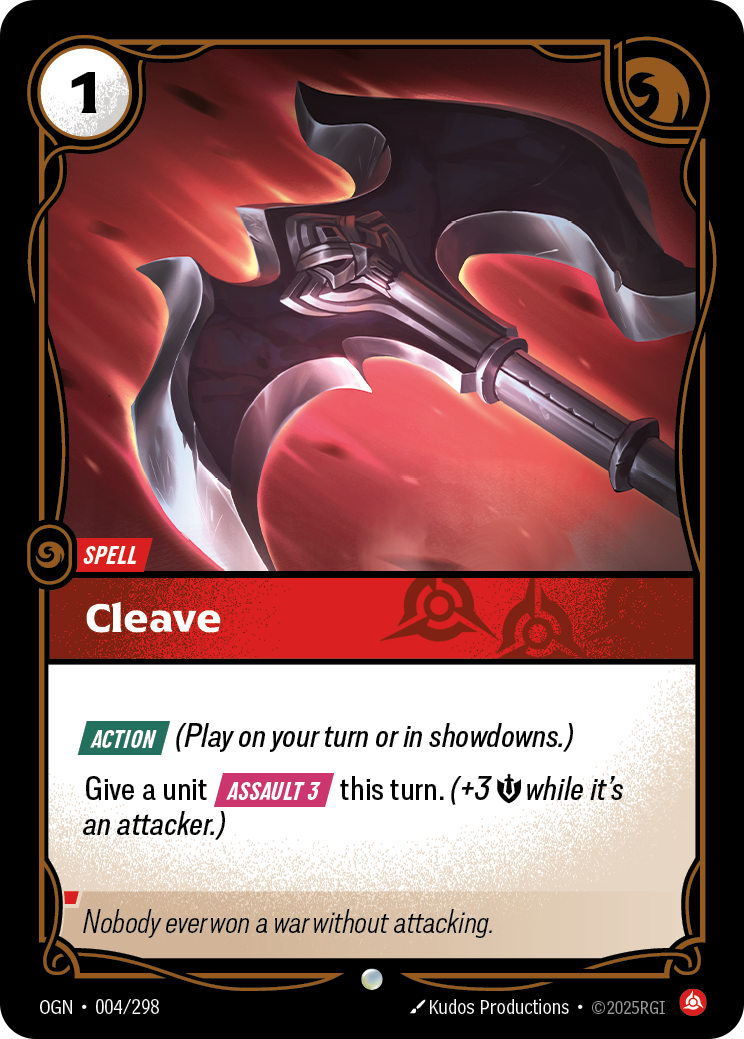
- a 40-card Main Deck (units, spells and gear);
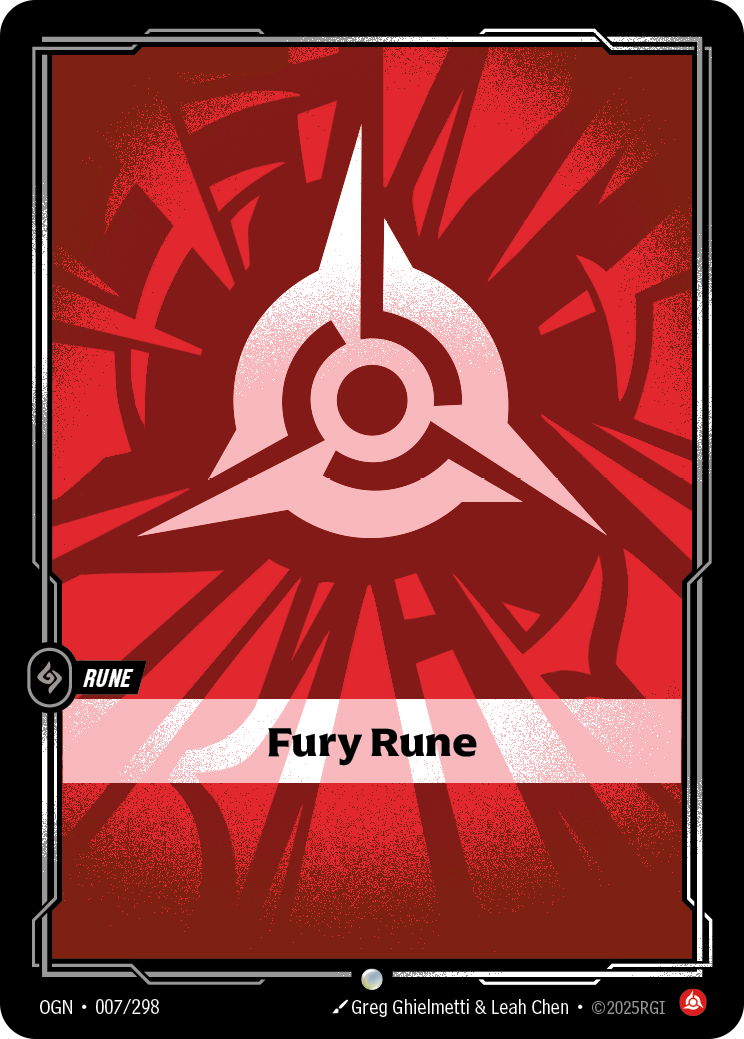
- a separate 12-card Rune Deck that produces your resources;
- a Chosen Champion, included in the 40 cards and sharing the Legend's name;
- 3 Battlefield cards, the places you contest.
How to lay everything out and which deckbuilding constraints to respect is covered in the game setup and deck building guide.
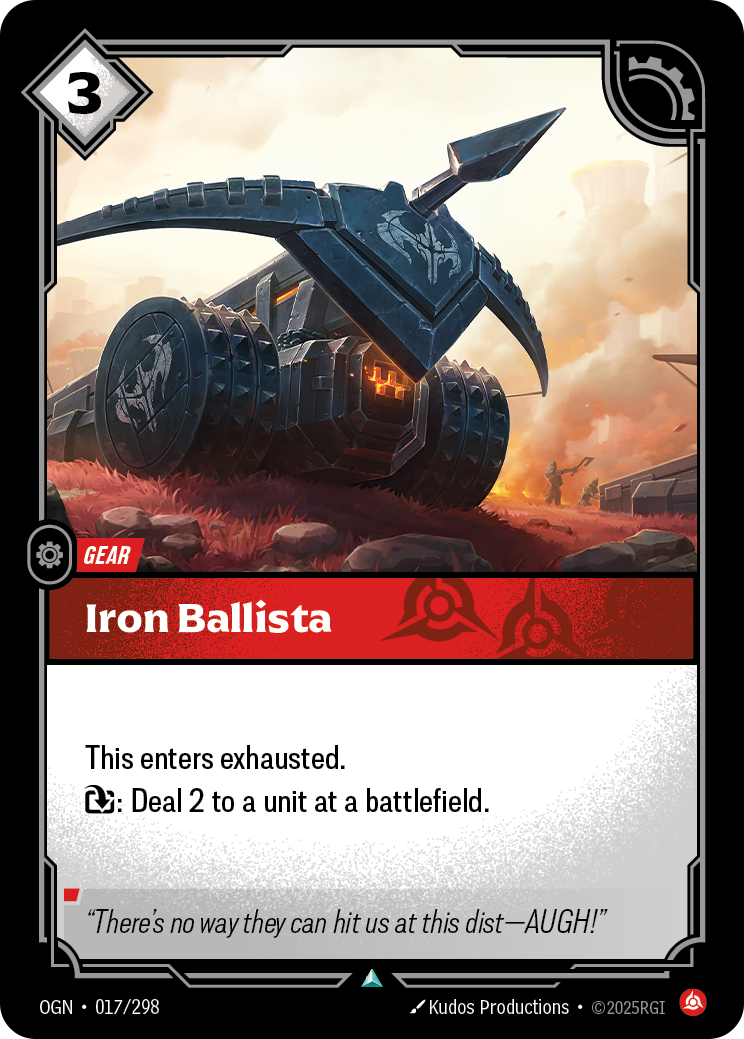
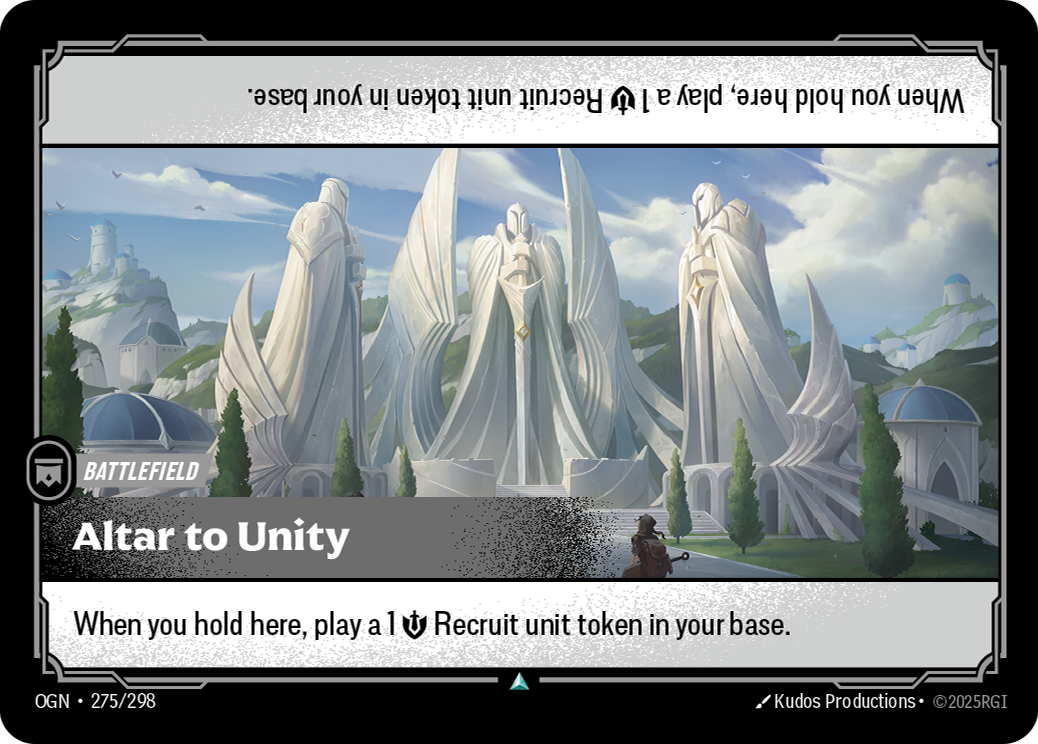
How a game works: the gameplay loop
The heart of Riftbound is a loop that repeats every turn:
- you generate runes and spend them as energy and power to play your cards;
- you move units and attack battlefields, starting a showdown (combat);
- controlling battlefields lets you score points;
- when you play spells and abilities a chain opens, where your opponent can respond too;
- the first to reach 8 points wins.
The turn rhythm is always the same: you'll find it explained phase by phase in the turn structure guide.
The core rules, in order
If you're learning, follow these guides in sequence: together they cover everything you need to play your first game with confidence.
- Setup and deck building — the five components, color constraints and table setup.
- Turn structure — the four automatic phases (ABCD) and the action phase.
- Rune system: energy and power — how resources and the two cost types work.
- Combat and showdowns — how a fight resolves and a battlefield is claimed.
- Win conditions — the ways to score the 8 points.
- Spell speeds — when you can play Normal, Action and Reaction.
- The chain — how spells and abilities stack and resolve.
Improving: the strategy guides
Once you're comfortable with the rules, these guides help you play better and build more coherent decks.
- Deck identity — archetypes, game plan and card roles.
- Mulligan — how to decide which cards to keep at the start.
- Rune floating — the technique to squeeze more resources into one turn.
- Tempo vs value — when control matters more than power.
- Battlefield selection — how to pick your three battlefields in a match.
- Side deck — using the 8 extra cards against hard matchups.
- Lethal points — recognising the turn where you can actually close the game.
Quick reference
- Riftbound glossary — every term and keyword in the game explained.
- Official errata and rulings — the card-text corrections you should know.
Summary
Riftbound is played by controlling battlefields to reach 8 points: you generate runes, deploy units, fight in showdowns and respond on the chain. Start with the core rules in order, then move on to strategy when you feel ready. The first concrete step? Open the turn structure guide and set up the table with the setup guide.
 Sponsor
Test yourself
Question 1How many points do you need to reach to win a game of Riftbound?
Question 2How many cards make up the Main Deck?
Question 3How many cards does the Rune Deck, separate from the Main Deck, contain?
Question 4Which is the only card kept face-up for the entire game?
Question 5What characterizes the Chosen Champion relative to the Legend?
Question 6How many Battlefield cards does each player bring to the table?
Question 7What is the name of the combat that starts when you move units and attack battlefields?
Question 8How do you spend the runes you generate during the turn?
Question 9What opens when you play spells and abilities, allowing your opponent to respond too?
Question 10What are the three spell speeds mentioned in the guide?