Riftbound Deck Identity: Archetypes, Game Plan and Card Roles
Every winning Riftbound deck starts from a single clear idea: all your cards and all your plays should push toward one game plan. Understanding your deck's identity means knowing how you intend to win and building each choice around that answer, instead of passively reacting to what your opponent does.
This guide helps you recognize your deck's character, sort its cards by function, and hold a consistent line from the opening to the end of the game. If you are just starting out, begin with the basics in how to play Riftbound and then come back here.
Defining the game plan
An effective game plan answers one simple question: complete the sentence "I win when ___". If you cannot fill that gap in a single line, your deck does not yet have a clear identity. The golden rule is to play your plan, not your opponent's: avoid moves that look optimal in isolation but fail to advance your strategy.
The archetypes: play style
A deck's play style almost always falls into one of four archetypes.
- Aggro: applies pressure from the earliest turns and never delays its threats. It wants to close out the game before the opponent stabilizes.
- Control: disrupts the opponent's aggression early and wins in the late stages. It must never race fast decks on speed.
- Midrange: balances early defense with high-impact threats in the later stages, "turning the corner" around turns 3-6.
- Combo: assembles synergies piece by piece and saves its reactions only for real threats to its plan.
Sorting your 40 cards by function
A balanced deck needs all three functional categories below. Take your 40 cards and assign each one to a category:
- Threats: units that create pressure or score points. They are the engine of victory.
- Answers: removal, counters, and debuffs that protect your strategy from interference.
- Engines: card draw, rune manipulation, and acceleration that bring your win condition online faster.
If one category is nearly empty, the deck limps: too many threats with no answers die to opposing removal, while too many answers with no threats never actually close the game.
Reading your Legend and your Champion
Two cards define your deck's posture more than any others.
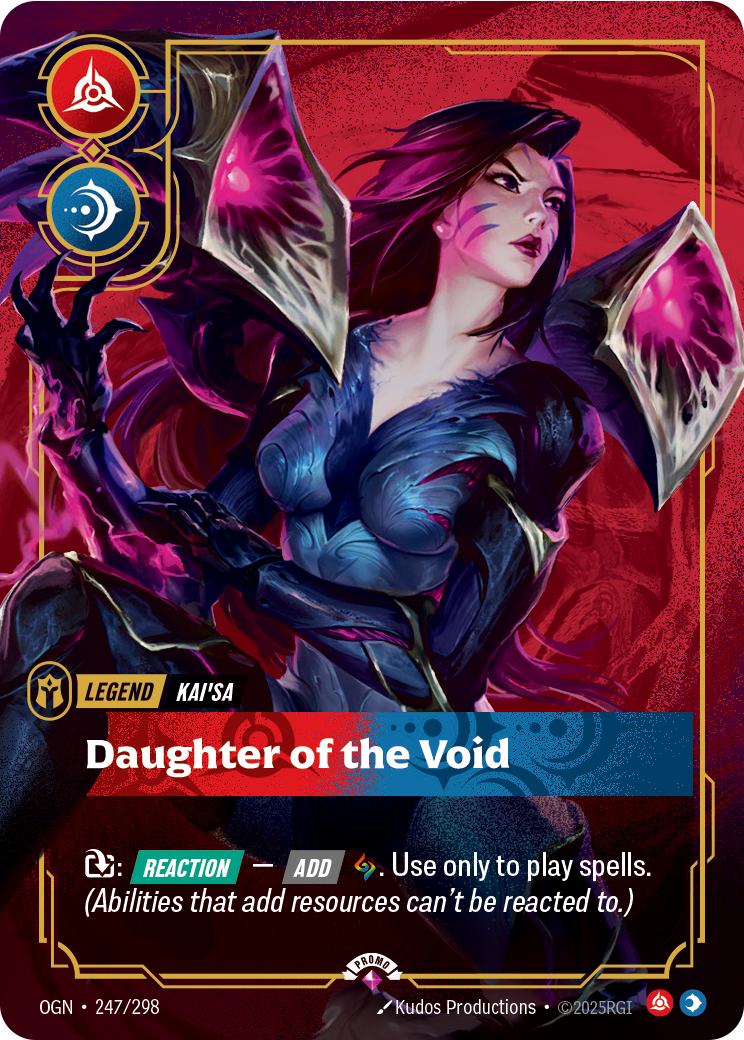
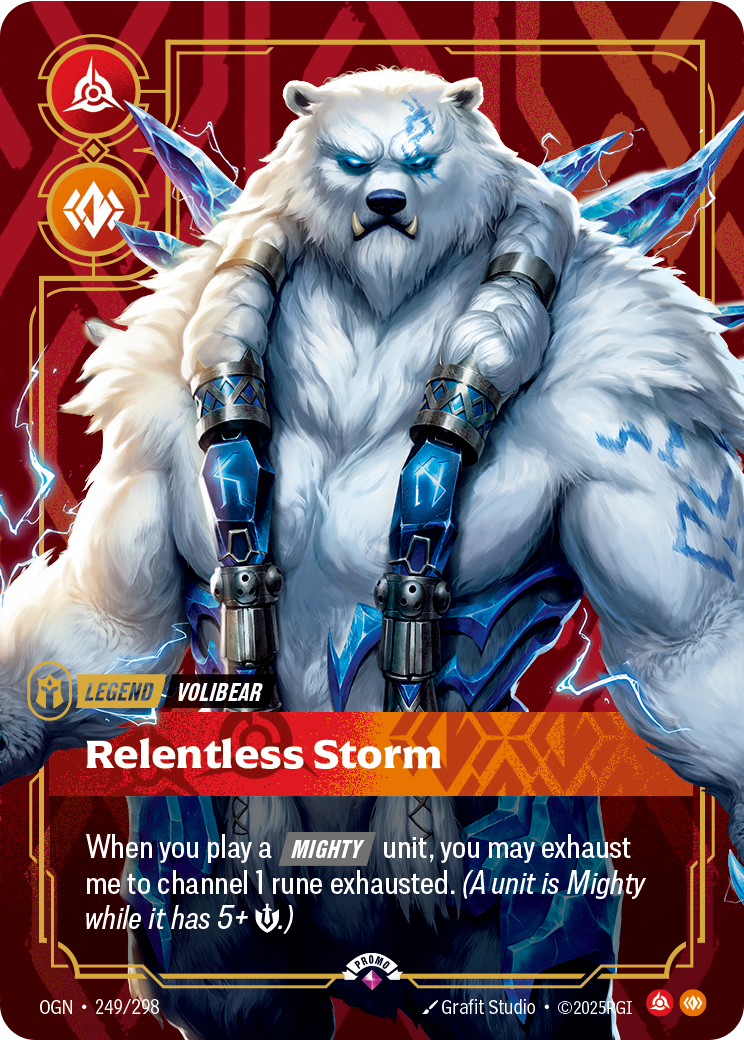
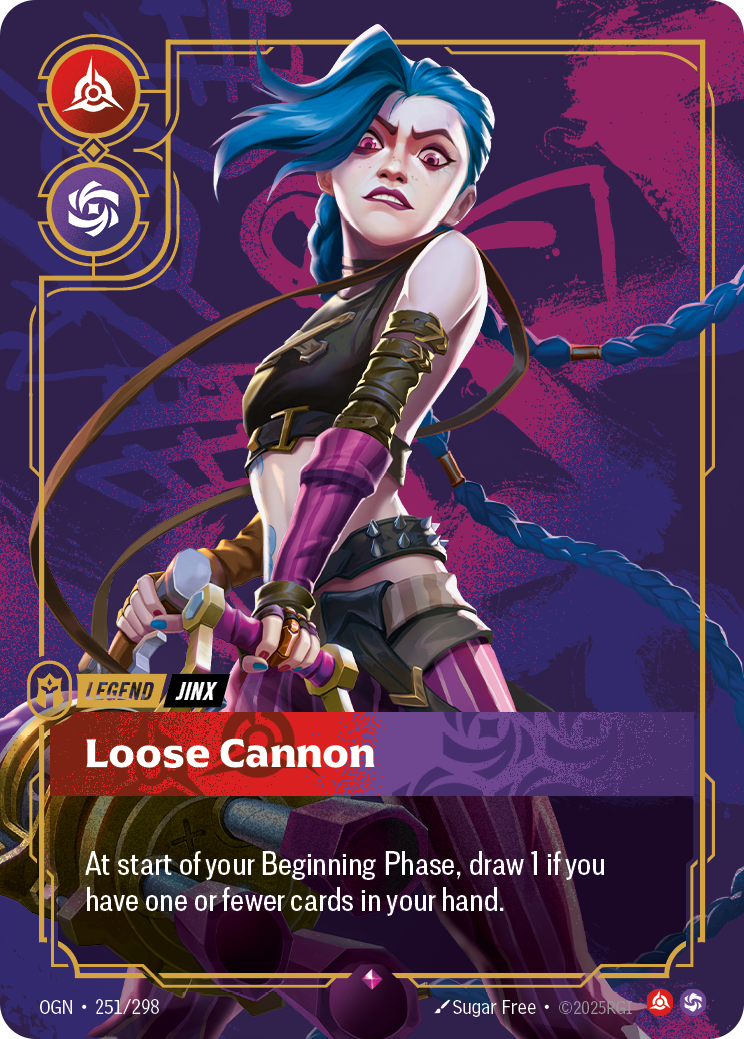
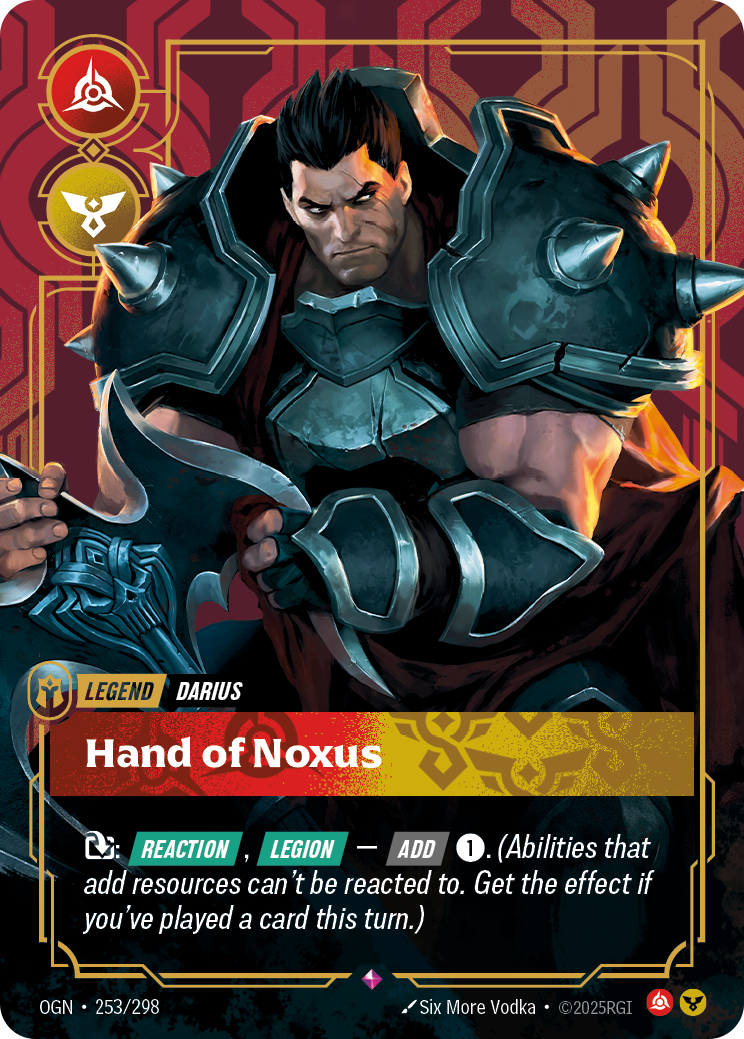
The Legend
Your Legend stays in play for the entire game: it is therefore the most reliable tech reference and sets the deck's overall attitude. Build around whatever the Legend rewards.
The Champion
Your Champion is the unit you execute your plan around. Identifying the central Champion tells you which support cards to include and which to cut.
Consistency from building to playing
Identity does not live only in deckbuilding: it is confirmed in every decision at the table. When you keep or ship your opening hand (see the mulligan), when you choose between immediate pressure and resource accumulation (see tempo versus value), and when you aim for the kill (see win conditions), always ask whether the move advances your chosen plan.
Summary
- Align building and play to a single plan: complete "I win when ___".
- Recognize your archetype: Aggro, Control, Midrange, or Combo.
- Balance Threats, Answers, and Engines across your 40 cards.
- Read the Legend (posture) and the Champion (execution).
- Play your plan, not your opponent's.
Continue with match preparation and deck building to put these principles into practice, and review the fundamentals in how to play Riftbound.
Test yourself
Question 1According to the guide, which sentence must you be able to complete to show that your deck has a clear identity?
Question 2What is the "golden rule" described in the guide?
Question 3How many play style archetypes does the guide list?
Question 4What should a Control deck NEVER do according to the guide?
Question 5Around which turns does a Midrange deck "turn the corner"?
Question 6Into how many functional categories does the guide say you should sort your 40 cards?
Question 7According to the guide, what do "Engines" include?
Question 8According to the guide, what happens if you have too many Threats with no Answers?
Question 9Why is the Legend considered the deck's most reliable tech reference?
Question 10According to the guide, what does identifying the deck's central Champion help you do?
Comments
Log in to comment.